
Suitability and planning
Understand heat loss, emitter sizes, cylinder requirements, available space and likely system temperatures before choosing equipment.
Heat pumps can provide efficient heating when the property, emitters and controls are designed as one complete system. We help homeowners and landlords understand their options, assess existing heating performance and plan sensible next steps without overselling a one-size-fits-all solution.
Whether you are researching a first installation, maintaining an existing system or investigating poor performance, the starting point is an accurate assessment of the building and how you use it.
A heat pump performs best when design, installation, commissioning and maintenance are all handled carefully. We focus on the whole heating system rather than treating the outdoor unit in isolation.
Understand heat loss, emitter sizes, cylinder requirements, available space and likely system temperatures before choosing equipment.
Plan pipework, controls, emitters and commissioning around the needs of the property, with current MCS and grant requirements explained where relevant.
Check filters, airflow, water pressure, controls, condensate drainage, electrical connections and visible system condition.
Investigate error codes, poor heat output, unusual noise, icing, control issues and unexpected changes in electricity use.
Review weather compensation, flow temperatures, schedules and emitter performance to improve comfort without unnecessary cycling.
Identify when radiators, pipework, controls or hot-water storage need improvement so the system can work at lower temperatures.
A heat pump moves heat from the air or ground into your home. Because it normally supplies water at a lower temperature than a traditional boiler, insulation and correctly sized emitters become especially important.
A useful proposal should explain the design heat loss, proposed flow temperature, emitter changes, hot-water solution, outdoor-unit location, controls, expected warranties and who is responsible for commissioning.
For eligible properties in England and Wales, the Boiler Upgrade Scheme currently provides upfront grants arranged by an MCS-certified installer. Eligibility depends on the property, technology and current scheme rules.
Scheme values can change. Check current GOV.UK Boiler Upgrade Scheme guidance before making a financial decision.
Share the current heating system, insulation, comfort problems and what you want to achieve.
Assess heat loss, emitters, hot water, power supply, access and outdoor-unit options.
Compare design temperatures, equipment, scope, warranties, grant eligibility and exclusions.
Set controls carefully, explain operation and review performance after installation.
Not automatically. A proper assessment should consider heat loss, insulation, existing radiators or underfloor heating, hot-water demand, outdoor space, electrical capacity and the temperature the system needs to deliver.
Most manufacturers recommend routine maintenance. A service may include filters, airflow, controls, water pressure, electrical connections, condensate drainage and the outdoor unit. Refrigerant-circuit work must be handled by an appropriately qualified technician.
The Boiler Upgrade Scheme currently offers grants for eligible installations in England and Wales. Values and eligibility can change, and grant-funded work must be arranged through an MCS-certified installer. Always check current GOV.UK guidance.
A heat pump itself is not a gas appliance. Gas Safe registration is relevant if an existing gas boiler or gas pipework is disconnected or altered. Heat-pump and refrigerant work require the appropriate separate competencies.
Not in every property. A room-by-room heat-loss calculation determines whether existing emitters can deliver enough heat at the intended flow temperature. Some rooms may need larger radiators or other upgrades.
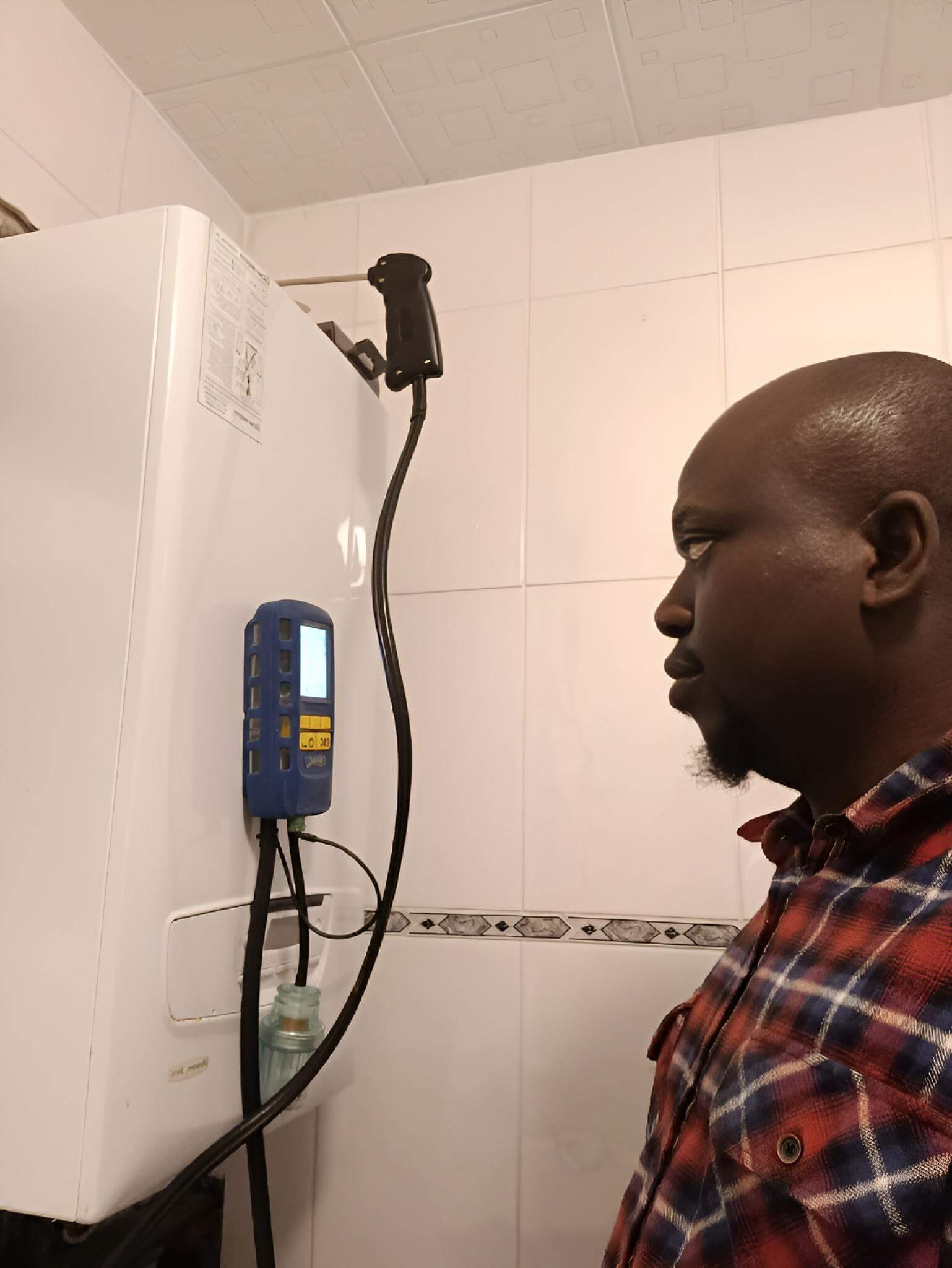
Need heat pump services in Kent from an experienced heating engineer? Fill in the form below or call 07716 026 508 to arrange your annual heat pump service.